Commercial fire alarm testing isn’t optional, and for Kansas City business owners, understanding exactly what’s required and what happens if you fall behind matters just as much for liability and insurance as it does for basic life safety. Here’s what every business owner in Overland Park, Olathe, Gladstone, Independence, and across the Kansas City metro needs to know about staying compliant.
Kansas City Business Fire Alarm Compliance: What You’re Legally Required to Do 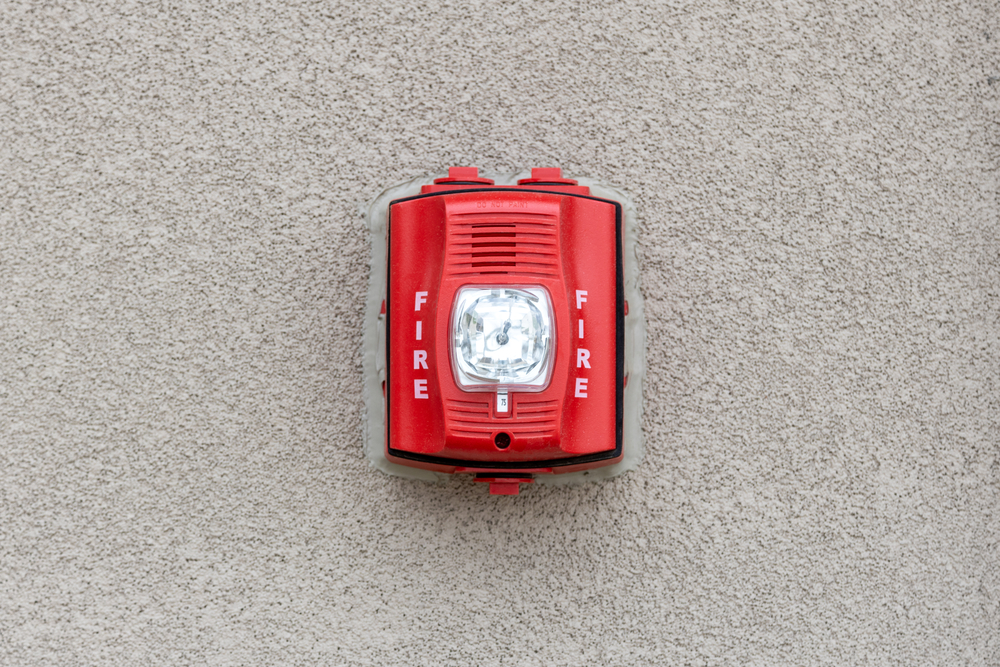
Commercial buildings throughout the Kansas City metro are required to maintain functioning fire alarm systems that are regularly tested and inspected according to national fire code standards. This isn’t a one-time installation requirement; it’s an ongoing obligation that continues for as long as the building is occupied for business use. Local fire departments and jurisdictions across Missouri and Kansas enforce these requirements, and inspection records need to be readily available upon request.
Business owners are also responsible for ensuring that any modifications to their building, renovations, added square footage, or changed occupancy type are reflected in their fire alarm system’s design and testing documentation. A system that was compliant when installed can fall out of compliance if the building changes without corresponding updates to the alarm system.
NFPA-72 Requirements for Commercial Buildings
NFPA 72, the National Fire Alarm and Signaling Code, sets the standard that most Kansas City area jurisdictions reference for commercial fire alarm testing and maintenance. This code establishes specific testing frequencies for different system components; devices like smoke detectors, pull stations, and notification appliances each have defined testing intervals, along with documentation requirements that must be maintained and available for inspection.
NFPA 72 also specifies who is qualified to perform these inspections, generally requiring certified technicians with specific training on fire alarm systems, rather than general maintenance staff. This matters both for genuine safety and for ensuring your inspection documentation will hold up if it’s ever reviewed by an insurance company or local fire marshal following an incident.
What Happens During a Fire Alarm Inspection
A proper commercial fire alarm inspection involves testing each component of the system individually: smoke and heat detectors, manual pull stations, notification appliances (horns and strobes), the control panel itself, and the connection to your monitoring service or local fire department, depending on your system’s configuration. Technicians verify that each device activates properly, that the panel correctly registers and reports each triggered device, and that notification appliances are audible and visible throughout the building as designed.
Inspectors also review your system’s documentation and maintenance history, checking for any outstanding issues from previous inspections that haven’t been resolved. A thorough inspection concludes with a detailed report outlining the system’s status, any deficiencies found, and recommended corrective actions if applicable.
How Often Testing Is Required
Testing frequency varies by device type and system configuration, but many components require testing at least annually, with certain devices or system types requiring more frequent checks. Your specific testing schedule should be clearly outlined by your fire alarm service provider based on your building’s system and local jurisdiction requirements.
Consequences of Missed Inspections
Skipping or delaying required fire alarm inspections carries real consequences beyond the obvious safety risk. Local fire marshals can issue fines for non-compliance, and in some cases, can require a business to cease operations until the system is brought back into compliance. Beyond regulatory penalties, insurance implications can be significant: many commercial insurance policies require documented, up-to-date fire alarm testing as a condition of coverage, and a claim following a fire incident could be denied or reduced if inspection records show your system wasn’t properly maintained.
There’s also direct liability exposure to consider. If a fire alarm system fails during an actual emergency and inspection records show missed or overdue testing, a business owner could face significant legal liability that far exceeds what insurance alone would cover.
How to Schedule Annual Fire Alarm Testing in Kansas City
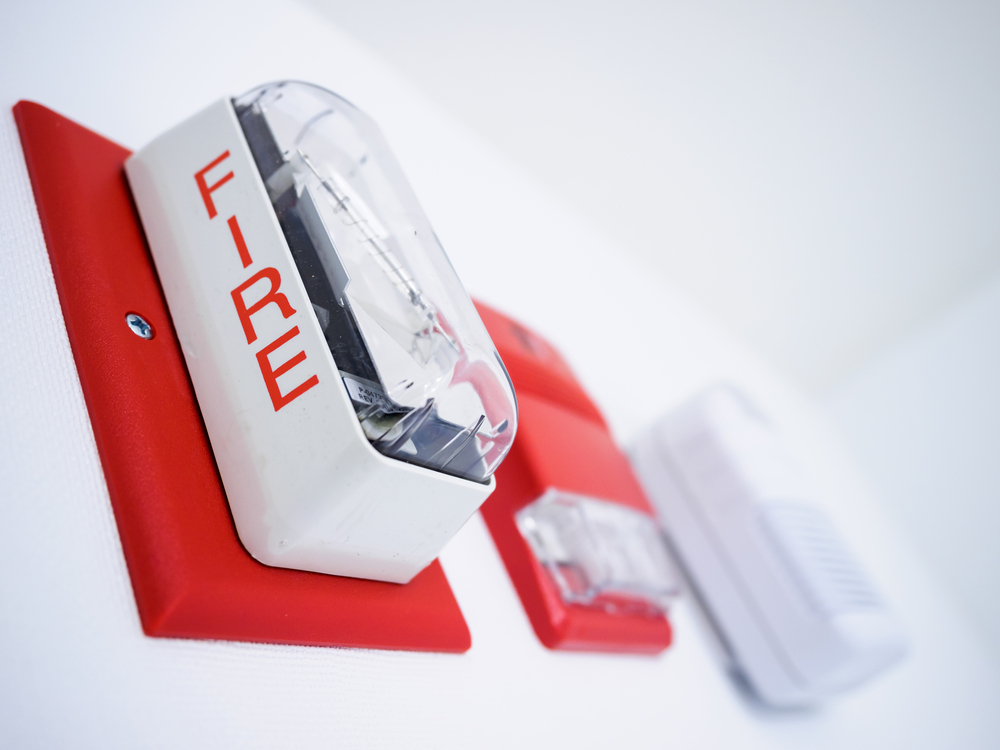
Scheduling annual fire alarm testing should be treated as a standing part of your business’s compliance calendar, not something addressed reactively after a notice or a close call. Working with a fire alarm service provider that tracks your testing schedule and proactively reaches out before inspections come due removes much of the administrative burden from business owners already managing countless other responsibilities.
Jade’s UL-Certified Inspection Process
Jade Alarm’s fire alarm inspection process follows UL-certified standards, ensuring testing meets the rigorous documentation and technical requirements expected by both NFPA 72 and local Kansas City-area jurisdictions. Our certified technicians handle the full testing process, from individual device testing to comprehensive system documentation, giving business owners a clear, defensible compliance record.
Final Thoughts
Commercial fire alarm testing is a legal requirement, an insurance necessity, and most importantly, a genuine life safety measure for everyone in your building. Staying ahead of your testing schedule protects your business from fines, liability, and the far more serious consequences of a system that fails when it’s needed most.
If your Kansas City area business needs to schedule fire alarm testing or hasn’t had a recent inspection, Jade Alarm’s UL-certified team is ready to help. Visit jadealarm.com to schedule your commercial fire alarm inspection today.