
Choosing the right video surveillance system is one of the most important security decisions your business will make. At Jade Alarm, we help Kansas City businesses and homeowners protect what matters most — and that starts with understanding the key differences between wireless and wired video surveillance systems. Both types of systems have strengths and limitations, and the right choice depends on your unique needs, property layout, and security priorities.
In this article, we explore how wireless and wired systems differ in performance, reliability, installation, scalability, and more — all in easy-to-understand language so you can make a confident decision.
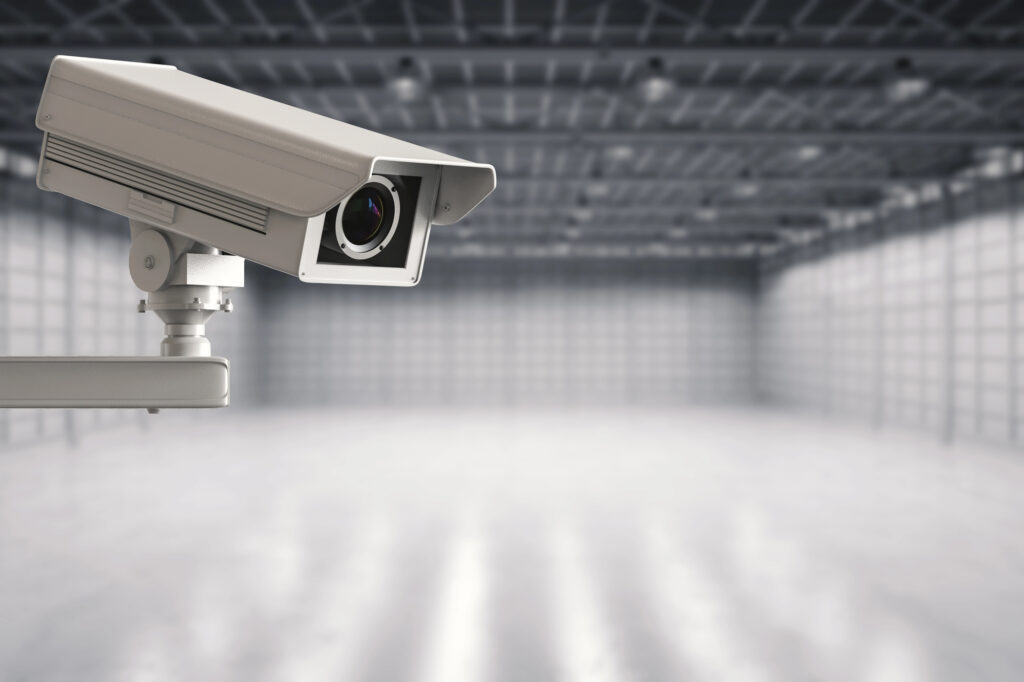
What Is Video Surveillance and Why Does It Matter
Video surveillance systems use cameras to capture and record visual activity in and around your property. These systems act as both a deterrent to crime and a source of evidence if an incident occurs. Today’s systems offer more than just video — they can provide motion detection, night vision, remote access, and even AI-driven alerts.
While all systems serve the same basic purpose, how they connect — wired or wireless — affects performance, installation, and long-term flexibility.
Understanding Wired Video Surveillance Systems
Wired video systems rely on physical cables to connect cameras to a central recorder, usually a DVR (Digital Video Recorder) or NVR (Network Video Recorder). These cables don’t just transmit video — they often provide power to the cameras as well.
Because of this direct connection, wired systems are known for reliability. They are less susceptible to interference or signal loss compared to wireless systems, which makes them ideal in environments where signal stability is critical — such as warehouses, retail stores, or large commercial buildings.
Another advantage of wired systems is consistent video quality. Since the cameras are connected directly to the recorder without relying on a network signal, footage tends to be clearer and more consistent, particularly in locations with dense walls, metal structures, or heavy interference.
However, wired systems typically involve a more complex installation. Running cables through walls and ceilings requires planning, drilling, and sometimes professional installation, especially in older buildings or structures with limited access. This can mean higher initial setup costs and potential disruption during installation.
Exploring Wireless Video Surveillance Systems
Wireless video surveillance systems use radio signals — like Wi-Fi or cellular connections — to transmit footage from cameras to a recording device or cloud platform. These systems eliminate the need for cables, which can significantly simplify installation and reduce upfront costs.
Because wireless systems are easier to install and often more flexible, they’re a popular option for smaller properties, leased spaces, or locations where drilling and cabling aren’t practical. They are especially useful when you want to expand coverage without running wires or when you plan to relocate cameras in the future.
Wireless video systems also pair naturally with mobile apps and cloud-based services. Many modern systems offer features like remote viewing, real-time alerts, and cloud storage — meaning you can check live or recorded footage anytime from your smartphone or tablet.
Despite these advantages, wireless systems can face challenges with signal interference or network reliability. Heavy walls, electronic equipment, or even distance from the router can impact performance. Additionally, because many wireless cameras rely on batteries for power, routine maintenance like battery replacement becomes an ongoing consideration.
Comparing Reliability and Signal Strength
When it comes to reliability, wired systems typically have the edge. A physical cable connection is less likely to drop or suffer interference, ensuring continuous video transmission — even in challenging environments.
Wireless systems, on the other hand, depend on strong Wi-Fi or cellular signals. In many cases, this works perfectly well, especially in open or modern spaces. But in areas with network congestion or physical barriers, wireless signals may weaken, potentially leading to gaps in footage or delayed alerts.
For businesses with critical surveillance needs — such as retail stores monitoring point-of-sale areas or factories overseeing sensitive equipment — the stability of a wired system can be a major advantage.
Installation: Complexity vs. Convenience
Installation is often the first factor business owners consider when comparing the two systems. Wired video systems require planning and professional expertise. Running cables, installing recorders, and ensuring proper power connections can take time and may involve minor construction.
Wireless systems, in contrast, shine in convenience. Because they don’t require cables, setup is usually faster and less invasive. Many wireless cameras are designed for DIY installation, allowing business owners to position them wherever needed without special tools. This ease of installation also makes wireless systems more attractive for renters or temporary locations where drilling isn’t permitted.
Video Quality and Performance Over Time
Both wired and wireless cameras can provide high-definition video, but the way they deliver that footage differs. Wired systems often offer more consistent video quality because the signal isn’t subject to network fluctuations. This can be particularly important if you rely on detailed footage for identifying people or events.
Wireless systems, while capable of high-quality video, can be affected by internet speed and signal strength. In good network conditions, wireless cameras perform well — but performance may degrade if connectivity falters.
In environments with unreliable internet, businesses sometimes pair wireless cameras with local storage options to ensure footage is still recorded even if the network goes down.
Scalability and Future Growth
As your business evolves, your security needs might change too. Adding more cameras to a wired system means running additional cables, which can increase costs and complexity. However, because wired systems are inherently stable and expandable, they can still support large-scale deployments effectively.
Wireless systems offer scalability with much less infrastructure work. Adding or relocating cameras is often as simple as placing the device in a new spot and connecting it to the network. This flexibility makes wireless systems ideal for expanding businesses or properties with multiple buildings.
Some businesses find that a hybrid approach — using wired cameras in fixed, high-priority areas and wireless cameras for peripheral or temporary zones — delivers the best balance of performance and flexibility.
Remote Access, Alerts, and Cloud Features
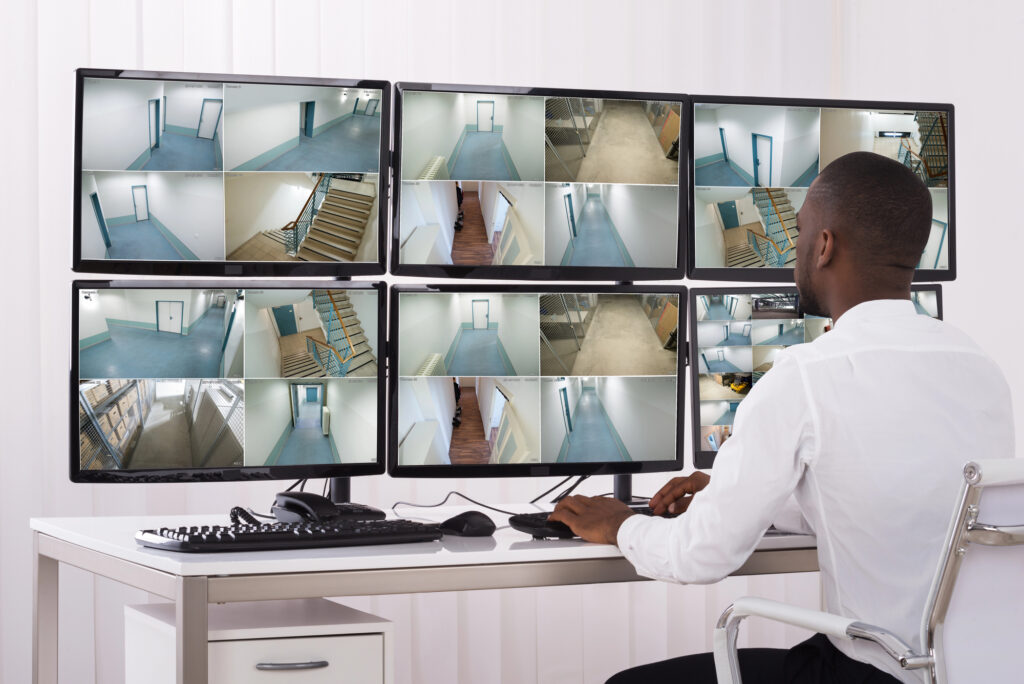
One of the biggest advantages of modern video surveillance — whether wired or wireless — is connectivity. Many systems offer remote access, allowing business owners to view live or recorded footage from their phones, tablets, or laptops. Wireless systems often integrate seamlessly with cloud platforms, offering real-time alerts and footage storage online.
While wired systems can also offer these remote features, they may require additional network configuration or hardware components. Still, modern wired solutions frequently support hybrid deployments that combine local storage with cloud backups, giving you both reliability and accessibility.
Choosing What’s Right for Your Business
There’s no one-size-fits-all answer when comparing wireless vs. wired video surveillance systems. Your best choice depends on factors like property size, installation logistics, desired features, and long-term security goals.
If you prioritize maximum reliability and consistent performance, especially in larger or high-risk environments, a wired system may be the ideal solution. If ease of installation, flexibility, and remote access are top priorities, a wireless system could better suit your needs.
At Jade Alarm, we evaluate your property and security objectives to recommend the right system — whether wired, wireless, or a hybrid solution that lets you enjoy the advantages of both.
Protect What Matters with the Right Surveillance System
Video surveillance is a key component of any comprehensive security plan. The right system helps deter crime, monitor activity, and give you peace of mind — even when you’re away.
Choosing between wireless and wired options doesn’t need to be complicated. By understanding the differences in reliability, installation, performance, and scalability, you can make a confident decision that aligns with your business needs.
Contact Jade Alarm today to schedule a free consultation and let our experts design the best video surveillance solution for your property — built for performance, visibility, and long-term protection.