
When securing a business — whether a retail store, office, warehouse, or commercial building — one of the first decisions you’ll face is wired vs. wireless security systems. Both have strong advantages as well as trade-offs. At Jade Alarm, we believe the right choice depends on your building, needs, and long-term goals. This post helps you compare both options so you can make an informed decision.
What does “wired” vs “wireless” mean?
-
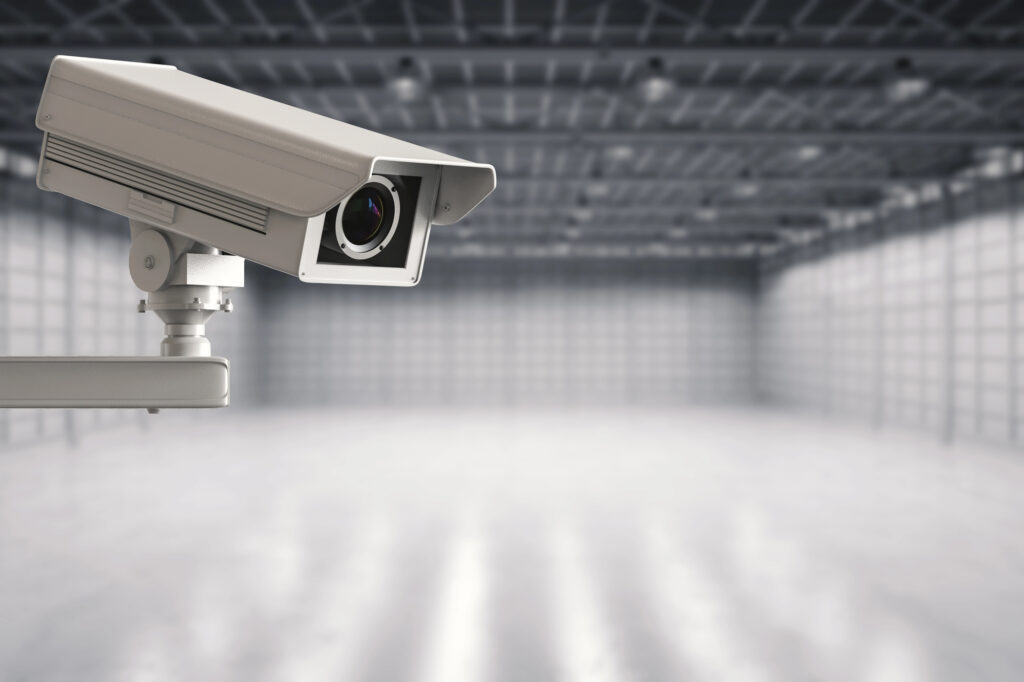
Wired systems use physical cables to connect sensors, cameras, alarms, and the control panel. Devices communicate over wired connections and are often powered via the building’s electrical system — sometimes with a backup battery.
-
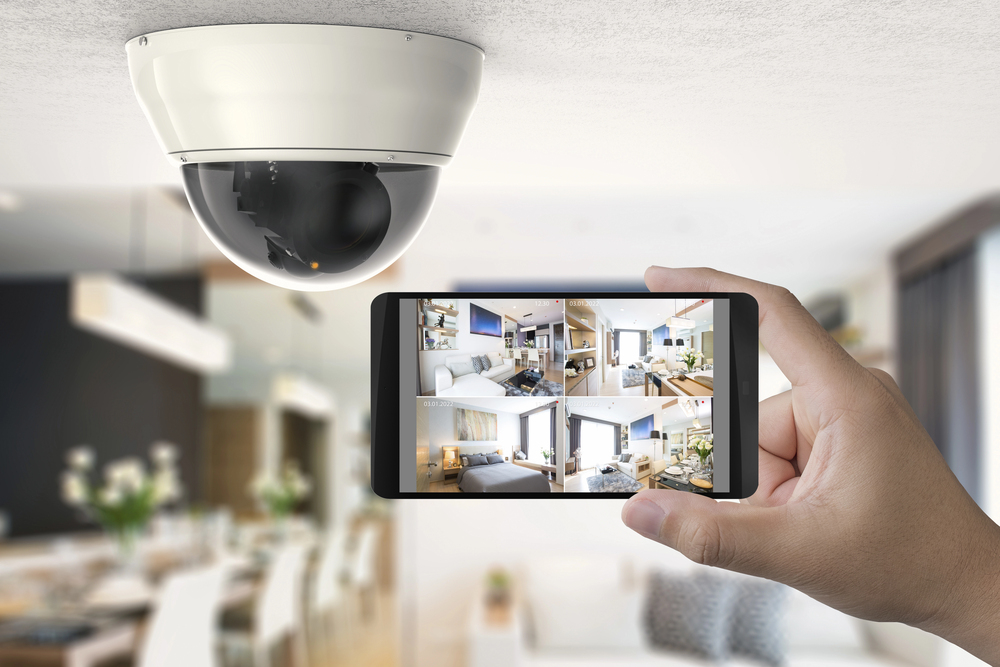
Wireless systems use radio signals (Wi-Fi, RF, cellular, etc.) to connect sensors, cameras, and the control panel. Many components are battery-powered, and communication happens wirelessly.
Some modern setups may even combine both (hybrid), using wired connections where feasible and wireless devices where flexibility or ease is preferred.
Pros & Cons: Wired Security Systems 
Advantages
-
High reliability and stable connections — Because devices communicate over cables, there is less risk of interference or signal loss compared to wireless. Great for businesses with thick walls, multiple floors, or materials that block wireless signals.
-
Less maintenance (no batteries on sensors) — Wired sensors and devices typically draw power from the main supply, so you don’t need to frequently check or replace batteries.
-
Consistent video recording & data transmission — Wired cameras often feed directly into DVR/NVR systems; even if the internet is down, they can continue functioning and recording.
-
Security and tamper-resistance — It’s harder for intruders to disable a system simply by jamming a wireless signal or cutting off Wi-Fi; wired systems don’t depend on signal transmission.
-
Better for large or complex premises — If your business covers a wide area, multiple rooms, or has many access points, wired systems provide a robust, stable network for full coverage.
Drawbacks
-
Installation is more complicated and potentially disruptive — Running cables through walls, ceilings, and floors usually requires professional installation, which can be time-consuming and costly.
-
Less flexible / harder to relocate or modify — Once installed, adding new devices or moving sensors often means rewiring, which isn’t ideal if your business layout changes.
-
Dependence on power (with backup needed) — Wired systems rely on the building’s power supply; in case of electrical outage, operation may be interrupted unless you have a reliable backup battery or power source.
Pros & Cons: Wireless Security Systems
Advantages
-
Flexible & quick installation — Without the need for cables, wireless systems are easier and faster to install — often with minimal disruption and no drilling or construction. Ideal for businesses in leased spaces or places where wiring is impractical.
-
Easy to expand or reconfigure — Want to add more sensors, cameras, or expand coverage? Wireless systems are typically modular — adding components is often plug-and-play. Great for growing businesses.
-
Portable and suitable for temporary setups — Useful if you expect to move, renovate, or change layout — the system can move with you without complex rewiring.
-
Modern features: remote access, mobile control & smart integration — Many wireless systems include smartphone apps, remote monitoring, cloud storage, and can integrate with smart access control, giving you flexibility and convenience.
-
Less visible infrastructure — Without visible wiring or cabling, wireless installations can be cleaner and more discreet — better for aesthetics, especially for retail or customer-facing spaces.
Drawbacks
-
Potential interference or signal issues — Wireless signals can be disrupted by walls, metal, other electronic devices, or interference, which may affect reliability.
-
Battery maintenance needed — Sensors and devices often rely on batteries, which need replacing periodically to ensure continued protection.
-
Dependent on network/connectivity — sometimes internet or cellular required — If your internet or cellular network fails (or signal is weak), some features like remote monitoring may be impaired.
-
Possibly less robust for very large or complex properties — For big buildings, multiple floors, or many zones, wireless signal strength and coverage can be an issue compared to hardwired stability.
-
Security concerns (if not properly encrypted/maintained) — As with any wireless system, if not configured properly (strong passwords, encrypted connection), there may be increased risk vs a wired, isolated system.
Why Jade Alarm Often Recommends a Tailored Approach
At Jade Alarm, we believe there’s no “one-size-fits-all” when it comes to security. That’s why we often recommend a custom solution depending on your business type, building structure, and security objectives.
-
For legacy or large commercial buildings with many rooms, we lean toward wired systems for reliability.
-
For newer premises, retail shops, leased spaces, or businesses that expect growth, a wireless or hybrid system often provides the best balance of flexibility, cost, and convenience.
-
For businesses wanting the latest in mobile monitoring, remote access, and smart device integration — wireless (with cellular / cloud backup) offers strong convenience without major compromises.
We ensure that whichever route you choose, the system is professionally installed, properly monitored, and maintained — giving you peace of mind.
Final Thoughts: There is No “Perfect” — Only What’s Right for Your Business
Choosing between wired and wireless security systems isn’t about which is “best” in absolute terms — it’s about what fits your business, your building, and your needs.
If you value maximum reliability, minimal maintenance, and have a permanent property, wired is often the way to go. If you prefer flexibility, easier installation, scalability, or plan to move/expand, wireless might be better. And for many businesses, a hybrid system offers the best of both worlds.
At Jade Alarm, we’re here to help you evaluate your site and recommend a system that balances protection, reliability, flexibility, and cost — because at the end of the day, your security should be customized, not one-size-fits-all.
Contact Jade Alarm today to get a free consultation and let us design the right wired, wireless, or hybrid security system for your business.