Running a retail shop — whether a small boutique, a gear shop, or a souvenir store — comes with a host of benefits and responsibilities. One of the most critical responsibilities is ensuring your store, employees, and customers stay safe. A smart, well-designed security system not only deters theft and vandalism but also helps preserve your reputation, bottom line, and peace of mind.
Here’s a comprehensive guide to selecting the right business security system for your retail store.
Start with a Security Risk Assessment
Before investing in any equipment, assess what your store needs. Consider:
-
Which areas are vulnerable — entrances, windows, back doors, stock rooms, storage, and cash register zones.
-
What kinds of threats might you face — shoplifting, burglary after hours, inventory shrinkage, internal theft, vandalism, or even accidental damage?
-
The size and layout of your store (small boutique vs. large retail floor vs. multi-room setup).
By understanding your vulnerabilities first, you can tailor a security system that meets your store’s unique requirements — instead of overspending on unnecessary features or under-protecting critical areas.
Define Your Security Objectives & Budget
Not every store needs a top-of-the-line corporate-level system. Ask yourself:
-
Are you trying to prevent shoplifting and internal theft?
-
Do you need 24/7 after-hours protection?
-
Do you want real-time alerts, video surveillance, and access control for staff-only areas?
-
What’s your realistic budget for initial installation and ongoing maintenance?
Having clear objectives and a budget helps you compare vendors and systems side by side and avoid surprises from hidden costs or service fees.

Understand Key Components: Cameras, Access Control & Alarms
A robust retail security system often combines several layers of protection. The main components to consider:
-
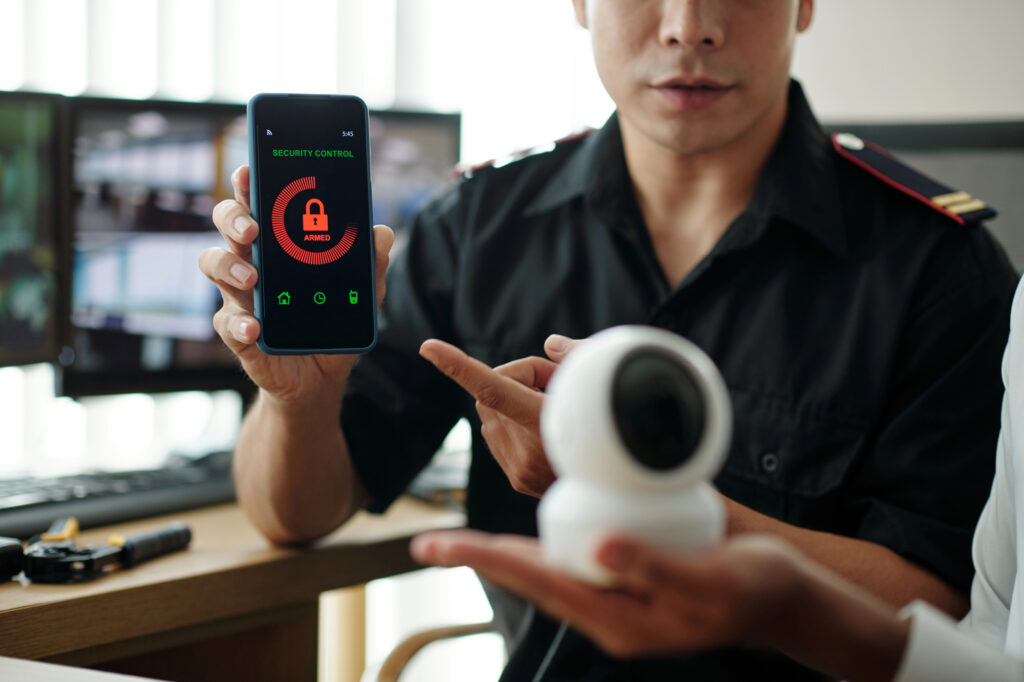
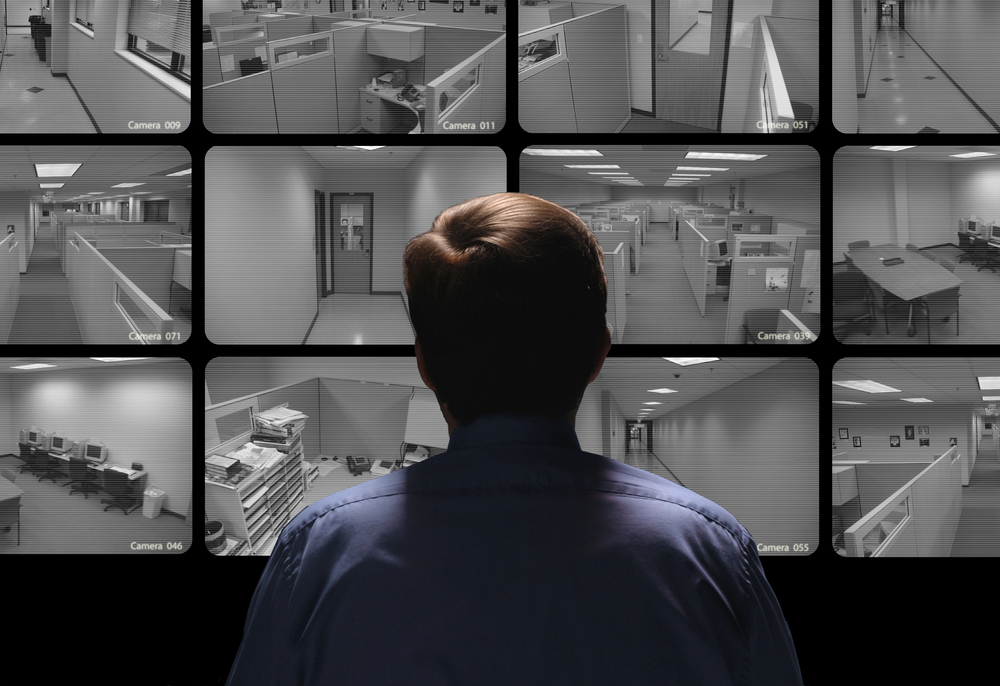
Video Surveillance (CCTV): Cameras help monitor store activity — both during business hours and after closing. High-resolution cameras with night vision and wide coverage reduce blind spots.
-
Access Control: Keypads, card readers, or smart-lock systems can restrict staff-only areas (like storage rooms or back offices), reducing the risk of internal theft or unauthorized access.
-
Intrusion Detection & Alarms: Door/window sensors, motion detectors, glass-break sensors, and alarms add another protective layer — especially useful for after-hours or when your store is closed.
-
Inventory-Protection Tools: For stores with many small or high-value items, consider electronic article surveillance (EAS) tags, security gates, or RFID-based tracking to reduce shoplifting and shrinkage.
Combining these elements — rather than depending on just one — gives a more comprehensive shield against diverse threats.
Choose a System That Can Scale and Integrate
As your retail business grows — maybe you add more inventory, open a second outlet, or expand working hours — your security needs may change. That’s why it’s wise to pick a system that is:
-
Modular and scalable — so you can add more cameras, access points, sensors, or even remote-management tools without replacing everything.
-
Integrable with existing systems — if you already use point-of-sale (POS) software, inventory tracking, or other business tools, ensure the security system can complement rather than conflict with them.
-
Supported by a reliable provider — look at reputation, certifications, and how long the vendor has been servicing retail clients.
This flexibility helps future-proof your investment and avoid costly overhauls down the line.
Consider Customer & Employee Safety, Not Just Inventory Protection
A great security system doesn’t only prevent theft — it also ensures the safety of customers and staff. That means:
-
Adequate lighting inside and outside the store (especially around entrances and parking areas) to reduce vandalism or criminal behavior.
-
Safe access control for employees — for example, restricting sensitive areas like cash handling rooms or stock storage to authorized personnel only.
-
A security setup that balances protection with customer experience: visible deterrents (like cameras or signage) can discourage theft without making shoppers feel uncomfortable.
Remember — a secure store is often also a more trustworthy store in the eyes of customers.
Evaluate Ongoing Support, Monitoring & Maintenance
Buying and installing security gear is only the first step. Long-term effectiveness needs:
-
Reliable monitoring services — especially if you want 24/7 protection or instant alerting when something goes wrong.
-
Regular maintenance and system updates — to minimize false alarms, keep cameras functional, and ensure sensors stay accurate.
-
A security partner with a strong track record, responsive support, and clear reporting procedures in case of incidents.
This ensures that once you invest in a security system, it continues protecting your store effectively.
Combine Security Technology with Smart Policies & Staff Training
Technology alone isn’t enough. A comprehensive retail security plan includes:
-
Employee training to recognize suspicious behavior, handle alarms, and follow theft-prevention protocols.
-
Inventory management and audits — regularly comparing stock records with actual inventory can help detect shrinkage early.
-
Clear store policies around access to restricted areas, handling of cash, after-hours procedures, and what to do in emergencies.
By combining tech + training + processes, you create a security culture — which often is the most effective deterrent of all.
Conclusion: Build the Right Security Foundation for Your Retail Store
Choosing the right business security system for your retail store doesn’t have to be overwhelming. By:
-
Assessing your real risks
-
Defining clear objectives and a budget
-
Selecting key components (cameras, alarms, access control)
-
Planning for scalability and integration
-
Prioritizing safety for customers and staff
-
Ensuring ongoing monitoring & maintenance, and
-
Combining technology with smart policies and staff training
You create a comprehensive, future-proof security setup that protects your inventory, people, and reputation. A good security system is an investment in the future stability of your retail business — and the peace of mind that you’re covered.